🌤️ Costa Blanca Old Towns and Natural Cooling
Walking through historic centres often feels surprisingly comfortable, even on hot days. This is no accident. Costa Blanca old towns were designed long before air conditioning existed. Every detail served a practical purpose.
🏠 White Walls Reflect Heat
One of the most visible features of Costa Blanca old towns is whitewashed houses. White surfaces reflect sunlight rather than absorbing it. This reduces indoor temperatures significantly.
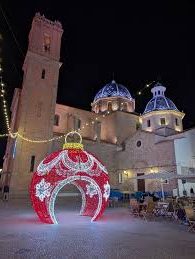
Villages like Altea show how effective this simple technique can be.
🛤️ Narrow Streets Create Shade
Unlike modern wide roads, old towns have narrow, winding streets. These streets remain shaded for most of the day. As a result, the air stays cooler and more comfortable.
Additionally, narrow streets channel sea breezes through the town, creating natural ventilation.
🧱 Thick Stone Walls
Traditional houses were built with thick stone or brick walls. These walls absorb heat slowly and release it at night. This keeps interiors cool during the day and warmer in the evening.
This building style still benefits residents today.
🏰 Hilltop Locations and Wind
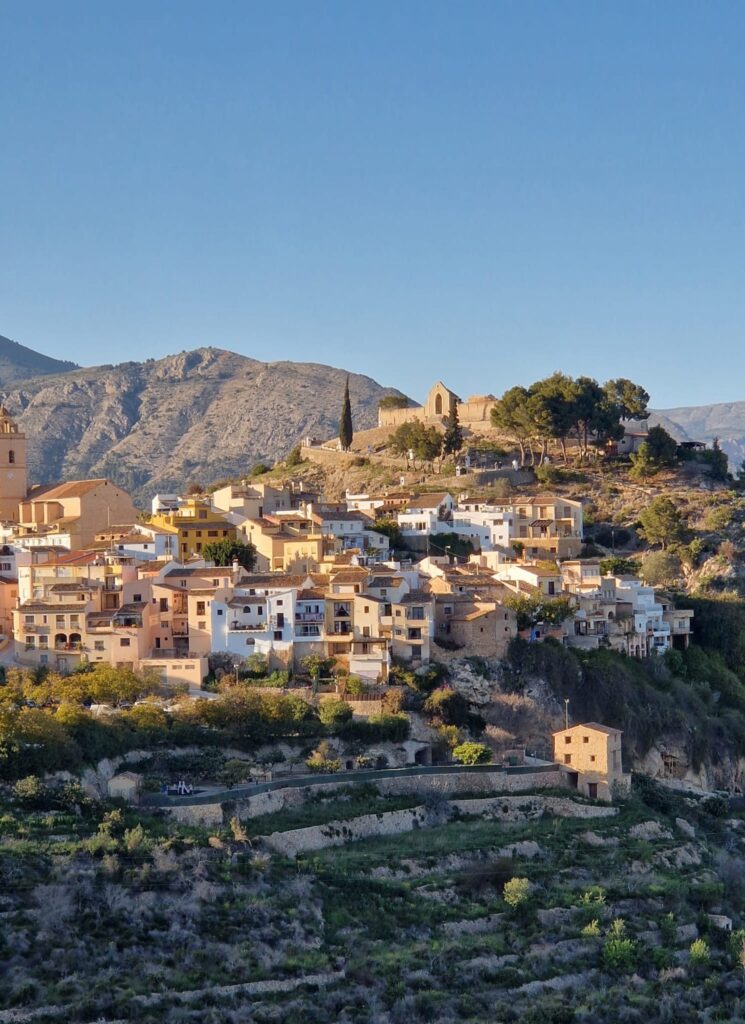
Many Costa Blanca old towns were built on hills. Elevated positions capture breezes and reduce humidity. While views were important for defence, airflow was an added advantage.
Examples include Guadalest and Polop.
🌳 Central Squares and Trees
Plazas often include trees, fountains, and open space. Trees provide shade, while fountains cool the surrounding air through evaporation.
These communal areas were essential for daily life and climate comfort.
🌍 Traditional Design Still Works
Modern architects now copy these principles. The layout of Costa Blanca old towns proves that traditional design was not only beautiful but also sustainable.
🌞 Comfort Without Technology
The Costa Blanca old towns remain cool because they were built to work with nature, not against it. This wisdom still makes everyday life more comfortable today.