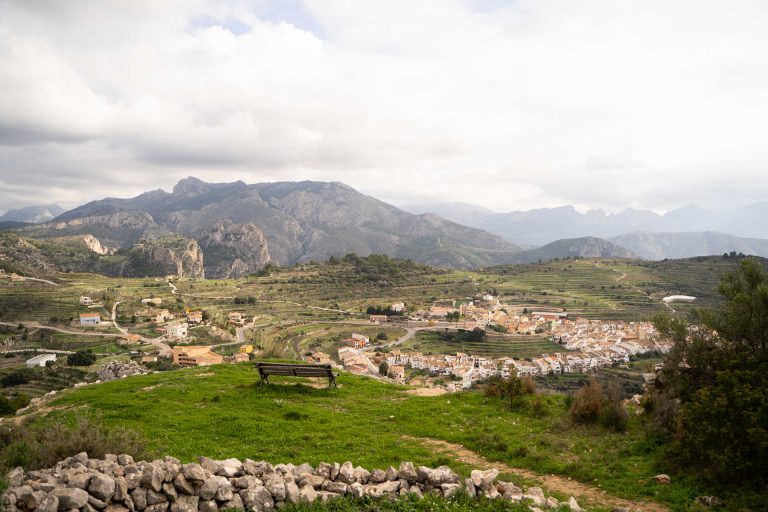
🌍 A Hidden Chapter in Costa Blanca’s History
When people think of Costa Blanca, they imagine beaches and sunshine. Few realise that the volcanic past Costa Blanca played a key role in shaping its dramatic landscapes. Although no active volcanoes exist today, ancient volcanic activity left clear geological fingerprints across the region.
🪨 How Volcanoes Shaped the Land
Millions of years ago, tectonic movements caused magma to rise beneath eastern Spain. Over time, volcanic eruptions and underground activity formed hard rock layers that later became cliffs, headlands, and mountains.
This volcanic past Costa Blanca explains why some areas have steep rocky coastlines instead of sandy beaches.
⛰️ Volcanic Evidence You Can Still See
Several landmarks reveal this hidden history:
-
Serra Gelada – dramatic cliffs created by ancient geological forces
-
Cabo de las Huertas – volcanic rock formations and underwater lava structures
-
Montgó Massif – limestone layered over volcanic foundations
These formations influence everything from hiking routes to marine life.
🌊 Volcanic Rock and the Sea
Rocky seabeds formed by ancient lava flows create rich marine ecosystems. This is why snorkelling and diving near rocky areas often reveal more fish and clearer water.
The volcanic past Costa Blanca continues to shape underwater life today.
🧭 Why This Matters Today
Understanding geology helps explain:
-
Why certain beaches are rocky
-
Why cliffs rise suddenly from the sea
-
Why some hiking routes are steep and dramatic
🌋 A Calm Coast with a Fiery Past
Although Costa Blanca now feels peaceful, its landscapes tell a powerful story. The volcanic past Costa Blanca reminds us that nature’s quiet beauty often comes from dramatic beginnings.